
Optimism
Telecivics returns: On the 2010s, ugliness, and action

Hello readers! I first launched this newsletter at the beginning of 2020, with a mission of making sense of the news. I’m a graphic designer, an artist, and a writer interested in the place of mass media in our lives. This essay is meant as a kind of “soft relaunch” for the newsletter, with more of a focus on the the link between art, and style, and culture, and politics. I’ll have to use a future post to better explain my thinking on the direction of the Telecivics project. If you’re receiving this as a subscriber, thanks for reading, and I hope you’ll enjoy the coming posts.
Are we coming out of a particular cultural moment and entering a new one? I've seen some comments to that effect lately,1 that some time in the last few years represents, finally, the end of the so-called “long 2010s,” and it resonates with me.
But why think about things in terms of decades? Maybe it helps us narrativize and contextualize, but there are some doubts to be had about that. I think part of what makes decades tempting to think about is a handful of particularly notorious decades, the most notorious of all being the 1980s, which I’ve tried to write about before. The 80s surpass even the 1950s in their notoriety (though I gather people in the 80s were often wistful about the 50s), and they surpass even the 1920s (and even had their own stock market crash, and prior to that their own recession).
What is striking about the 80s is that they are remembered most readily for their vivid pop cultural cues and motifs. And they were memorialized this way almost instantly. In December 1992, the New York Times reported:
Sooner than one might expect or hope, the decade is resurfacing as a new nostalgia wave, paying tribute to the movie "Flashdance," the rock group Duran Duran, leg warmers and the advent of music-video television.
The article quotes a Manhattanite who had thrown a party: “We wanted to throw an early-80's party to show it was the cheesiest time in history.”
What strikes me about decade thinking is how it relies on selective attention, and on taking the part to stand for the whole. This sort of thinking is how you arrive at an opinion on whether the 80s were a good time or a bad time.
In 1979 Gallup started polling on Americans’ satisfaction “with the way things are going in the United States at this time.” The all time high was in 1999 during the dot-com boom (71% were satisfied, just beating the mid-80s peak of 69%), and the all-time low was in 2008 (7%).2
If we can speak of the long 2010s, they began in 2008, obviously with the financial crisis, and maybe with the election of Barack Obama. (Perhaps too with Donald Trump's promoting the “birther” smear against Obama.) 2010 saw the beginning of the Arab Spring and 2011 saw Occupy Wall Street, both amid rising use of social media, especially Twitter, via smartphone. In general, written commentary on the internet moved into the realm of instantaneous public (publicized) conversation, and by the end of 2014, Slate magazine had a roundup of “the Year of Outrage.”
The decade seemed to be marked by a sense of heightened emotion, even if stories about heightened emotion sound like a pat bit of pop cultural storytelling. The decade also seemed, both in the moment and in retrospect, to be marked by pessimism, and not without good reason.
By 2016 it was Donald Trump who was elected president, and by 2020 the United States had officially withdrawn from the Paris Agreement. The pandemic was beginning and would lead to a sense of stagnation over the next two or three years, even though protests over racial injustice that had been visibly mounting since 2013 continued. Since the all-time low in 2008, satisfaction with the US as measured in that Gallup poll has remained in a relatively low range between 20 and 40 percent.
Late in 2020, Trump lost his re-election campaign. The United States was readmitted to the Paris Agreement in 2021, and in August of 2022 President Biden signed the Inflation Reduction Act into law. By winter 2022 the pandemic had receded to the point that there was no massive winter spike as there had been in previous years.
Then on March 31 of this year, Trump was indicted on felony charges. On April 18, Dominion’s defamation case against Fox News was settled, and on April 24 Tucker Carlson was fired from that network. Around the same time Buzzfeed, a major player in the internet economy of emotional extremes, announced it was closing its straight news division. Meanwhile the tech utopianism of the previous decade or so was visibly faltering. Twitter was sold and rapidly losing credibility, and blockchain technology, which had grabbed an enormous amount of attention and financial backing, was mired in scandal and foreshadowing a brief (as of this writing) bank crisis, bookending the long decade.
There’s an argument to be made that the 2010s prompted the aestheticizing, or the stylizing, of everything. Thanks to social media everything became a photograph (for some people), and life moments were staged for photography with increasing frequency. This went hand in hand with marketing trends that emphasized the trappings of luxurious goods (such goods were and are often marketed with words like “handcrafted” or “small batch” to sound more precious and well-made).
But today, articles are written suggesting a kind of outbreak of ugliness. “America, the bland,” says the Times. “Behold, the book blob,” says Print. Apartment Therapy cautiously explains what some call the “depressive hue” of “millennial gray.” (But note “millennial pink” is still making the rounds.) Finally n+1 asks, “Why is everything so ugly?”
As the Times and Print articles are careful to illustrate, there are reasons behind these vexing stylistic choices, and what’s off-putting today might in fact be treasured tomorrow. These articles consider and respond to criticisms of what are basically some of the more obvious unfortunate trends in contemporary style. While I’m largely sympathetic to the criticisms, I’m also basically tired of what they express. (They are also all years late.)
There was obviously never a time when all stylistic trends in all fields of style were just right, but our selective attention can make it seem otherwise. Instagram and other internet resources can be a double edged sword here: millennials, at least, who came of age relatively sure that everything was ugly in the 80s, 90s, and early 2000s can now look back and see that although plenty of things were ugly, plenty of things were tasteful, and sometimes even wondrous. It then becomes easier to think of the past as better—now everything is ugly—when your main reference points to the past become the parts you liked.
I wonder whether pessimistic tendencies among creative people—critic and artist alike—have been exacerbated by the sense of current events since 2008, and by the dominance of internet culture which served to remind people of badness while tending to keep means of action (such as getting people together in the same room) relatively abated.
People look at the world around them and rightly feel left out of decision-making. People see unimaginative choices in the art that surrounds them and sense that that art is being driven by perverse incentives, by laws they didn’t write and don’t even know about, by corporate structures that are more concerned with repeating successes than with charting new territory.
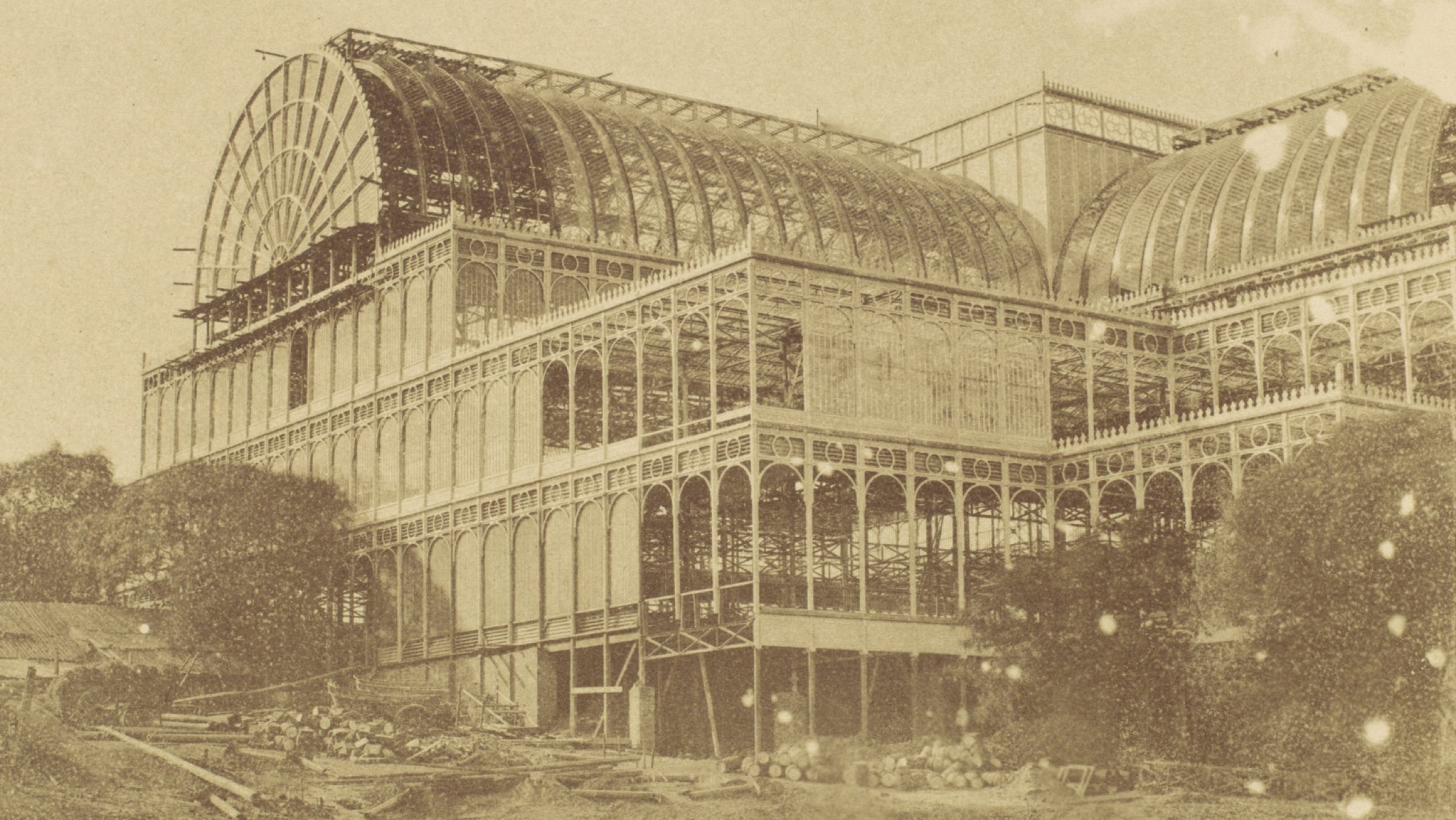
But there are always things being done right, and those are the things to concern yourself with if you want the world to be a good place to be. It’s my wish to see the pessimism of the recent cultural moment, both political and aesthetic pessimism, become outmoded. Rightly or not, I often imagine moments in decades past—the time of world expos and, say, art deco—as being dynamic times of boundless optimism, even if they were also conspicuously times of conflict and drudgery much like today.
I wonder if positive developments like the passing major climate legislation, ongoing technological advances in sustainability, and—hopefully—a general cultural suspicion of some of the worst tendencies of the long 2010s and before could represent the opening of a new chapter.
See for example this post in Dirt on the end of 2022, this post from Max Read.
But note the so-called optimism gap: even if people are often downbeat about the state of their country, they’ll generally be upbeat about their own lives. For Gallup it hovers around 80-85% of respondents satisfied.